Part 1 of 4
- Person-centered
- Evidence-informed
- Values-focused
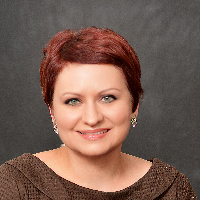
About Angela
Her practice uses a mix of proven approaches to match each person's needs. She draws on cognitive behavioral techniques to address thinking patterns that worsen mood and anxiety. She also uses Acceptance and Commitment Therapy to help people clarify values and take workable steps toward meaningful goals.
Attachment-based ideas inform how she talks about relationship patterns and closeness. Dialectical Behavior Therapy skills are used when emotion regulation and distress tolerance are priorities. The overall focus is on clear tools people can use between sessions.
Dr. Legner has experience supporting people with attention concerns, grief, sleep problems, anger, intimacy issues, and challenges tied to caregiving and chronic illness. She also addresses career stress, self-esteem, and relationship communication. Traumatic brain injury is listed among the focus areas and may be part of the issues she helps people manage.
Clients can expect collaborative goal-setting and straightforward strategies. She encourages self-compassion while working on concrete changes. Her license credentials are LMHC and LPC and she practices in Wisconsin.
Part 2 of 4
How therapeutic approaches shape online care
Acceptance and Commitment Therapy helps people notice unhelpful thoughts and commit to actions that match their values. It focuses on small, manageable steps toward what matters most and can help with depression, anxiety, and life changes. Cognitive Behavioral Therapy looks at thinking patterns and behaviors and teaches practical skills to reduce symptoms like worry and low mood. It is often used for anxiety, depression, and sleep problems. Attachment-Based Therapy pays attention to how early and current relationships influence feelings and expectations, which can help with intimacy and communication struggles.Choosing the right approach is part of the work together. The therapist will talk through goals, preferences, and daily demands to find methods that fit. That conversation is collaborative and can change as needs shift over time.
Please confirm current session options before booking since specific formats are not listed here. Many people find online therapy helps them fit sessions into work, caregiving, or medical schedules. It can make it easier to have shorter check-ins, avoid travel time, and keep continuity of care when life gets busy. Licensed professionals can adapt ACT, CBT, and attachment-based work to remote formats so progress continues across everyday routines.
Part 3 of 4
Areas of expertise
Primary focus
Also works with
Additional focus areas
Therapeutic approaches
Experience
9+ years
Credentials
Wisconsin, Florida
Languages
English
Part 4 of 4
Frequently asked questions
What kinds of concerns does she address?
She helps people with stress, anxiety, depression, trauma and abuse, and life transitions. Additional focuses include grief, sleep problems, caregiving stress, chronic illness, and career and relationship issues.
What is her therapy style like?
Her style is person-centered and collaborative. Sessions mix supportive listening with practical skills from evidence-based approaches.
How much clinical experience does she have?
She has nine years of professional experience working with a variety of emotional and life challenges.
What credentials and location are listed?
She holds LMHC and LPC credentials and practices in Wisconsin.
Which languages are supported?
Sessions are offered in English.
Does she work with international clients?
International clients are not currently accepted.
How are fees and payment handled?
Cost varies with location and therapist availability, and sessions use a subscription that can be canceled at any time.
How do I begin the process?
Use the Start Therapy button, complete a short matching questionnaire, and schedule according to therapist availability.