Part 1 of 4
- Anxiety and trauma
- Skills focused
- Veteran-aware care
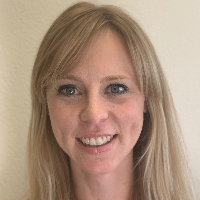
About Amy
She draws on about 10 years of experience that began working with soldiers in the military. That background informs her approach to trauma, first responder issues, and concerns common to veterans and those in high-stress roles. Amy focuses on shifting how people see themselves so they can feel more confident and more at ease in daily life.
Sessions emphasize clear goals and simple skills people can use between meetings. She uses methods such as Acceptance and Commitment Therapy, Cognitive Behavioral Therapy, and Eye Movement Desensitization and Reprocessing when appropriate. The work often involves learning new coping strategies, practicing different ways of thinking, and processing difficult memories at a pace that feels manageable.
Amy also addresses parenting strains, blended family questions, addiction and recovery challenges, and issues tied to identity, including LGBT concerns. She supports people coping with major life changes, grief, and career or purpose questions. The focus is on small, steady steps that build lasting change.
She holds the credential WY Psychologist 607 and practices in Wyoming. To start, people complete a short matching questionnaire and schedule sessions according to the posted process.
Part 2 of 4
How therapeutic approaches shape online care
Amy commonly uses Acceptance and Commitment Therapy and Cognitive Behavioral Therapy in her work. ACT focuses on helping people clarify their values and take action even when difficult feelings are present; it can help with anxiety, stress, and life changes. CBT helps people notice unhelpful thinking patterns and practice different behaviors to reduce symptoms of depression, anxiety, and sleep problems.She also uses Eye Movement Desensitization and Reprocessing when processing traumatic memories may be helpful. EMDR involves guided processing of distressing memories to reduce their emotional charge and can be a tool for trauma and abuse-related concerns.
Finding the right approach is part of the therapy process. The therapist will collaborate with each person to figure out which methods match their goals, needs, and preferences. Together they will check progress and adjust methods as needed to keep the work practical and manageable.
Confirm the current session options before booking, as formats are set by the therapist and the practice. Online work can make it easier to fit therapy into a busy life - for example, shorter check-ins can slot into a lunch break, and sessions without video can be used when bandwidth is limited. The focus is on making therapy work around everyday schedules while using approaches that address symptoms like trauma, anxiety, and sleep disruption.
Part 3 of 4
Areas of expertise
Primary focus
Also works with
Additional focus areas
Therapeutic approaches
Experience
10+ years
Credentials
Wyoming
Languages
English
Part 4 of 4
Frequently asked questions
What kinds of concerns does Amy address?
She works with anxiety, trauma and grief as well as depression, sleep problems, addictions, relationship and self-esteem issues.
What is her general therapy style?
She takes a direct, practical approach that emphasizes goals and skills people can use between sessions.
How much clinical experience does she have?
Amy has about 10 years of experience, including early work treating soldiers in the military.
What are her credentials and where does she practice?
She is listed as WY Psychologist 607 and practices in Wyoming.
Which languages are supported for sessions?
Sessions are offered in English.
Does she work with international clients?
International clients are not currently accepted.
How are sessions paid for and priced?
Cost varies with location and therapist availability; sessions use a subscription that can be canceled at any time.
How do I begin working with her?
Click the Start Therapy button, complete a short matching questionnaire, and schedule according to therapist availability.