Part 1 of 4
- Stress and anxiety
- Mood disorders
- Trauma support
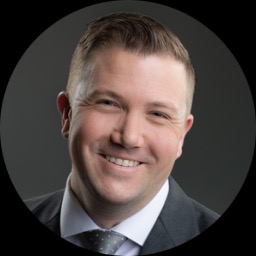
About Scott
He draws on several talk-based methods to help people build coping skills. Sessions often include identifying unhelpful thoughts, practicing new ways to respond to strong emotions, and trying out specific strategies between meetings. Scott also uses group therapy experience from an inpatient setting to inform how he structures sessions and goals.
Scott's background includes leading inpatient group therapy at a behavioral hospital in Reno, Nevada, where he worked with people across a wide age range and with many diagnoses. That work shaped his focus on mood disorders, trauma, addiction, and personality-related concerns. He is listed as holding an LCPC license in Nevada.
He can include a faith perspective when a client requests a Christian viewpoint during counseling. Scott aims to create a nonjudgmental space and to offer small comforts like a beverage to help people settle in at the start of a session. He pairs empathy with concrete coping tools and a collaborative plan for progress.
Scott has five years of clinical experience. He offers services in English and does not take international clients. Before booking, confirm current session options and formats with the practice.
Part 2 of 4
How evidence-based techniques translate to online care
Scott uses several evidence-based therapeutic techniques in straightforward ways. Cognitive approaches focus on spotting and changing unhelpful thoughts and testing new behaviors; these are useful for anxiety, depression, and stress. Dialectical behavior techniques teach practical emotion regulation, distress-tolerance skills, and clearer communication when feelings run high, which can help with mood instability and relationship conflict.Choosing the best approach is a team effort. The therapist will talk with each person about their goals, preferences, and what has or hasn't worked before, then try methods that match those needs. Plans are adjusted as work proceeds so the techniques fit the person's life and goals.
The original biography does not list specific online session formats, so confirm which options are currently offered before booking. In general, online therapy can make it easier to fit counseling into a busy schedule, reduce travel time, and allow shorter check-ins when needed. It also lets people connect from different locations while keeping focus on practical skill practice and progress tracking.
Part 3 of 4
Areas of expertise
Primary focus
Additional focus areas
Experience
5+ years
Credentials
Nevada
Languages
English
Part 4 of 4
Frequently asked questions
What concerns does Scott commonly help with?
He supports people dealing with stress, anxiety, depression, bipolar disorder, relationship issues, and trauma and abuse, plus related problems such as addiction, attachment and communication difficulties.
What is his approach in sessions?
Scott uses talk therapy and practical techniques to build skills. Sessions often focus on identifying thoughts, practicing emotion regulation, and setting small behavior goals.
What experience does he bring?
He has five years of clinical experience, including leading inpatient group therapy at a behavioral hospital in Reno, Nevada, working with a wide range of diagnoses and ages.
What credentials and location are listed?
He holds an LCPC credential in Nevada and provides services from that state.
Which languages are supported and can international clients join?
Sessions are offered in English. International clients are not currently accepted.
What session formats are available?
The original biography does not list specific session formats. Please confirm current session options with the practice before booking.
How is cost handled?
Cost varies with location and therapist scheduling; sessions use a subscription that can be canceled at any time.
How do I begin working with him?
Start by selecting the Start Therapy button, completing a short matching questionnaire, and then scheduling based on the therapist's availability.