Part 1 of 4
- Faith-sensitive approach
- Practical coping skills
- 33 years experience
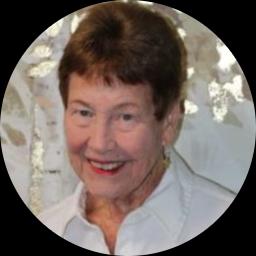
About Patricia
Patsy helps people build practical coping skills and steady routines that fit everyday life. She guides conversations about panic, mood changes, grief, and post-traumatic stress in straightforward terms. Her work often includes attention to caregiver stress and forgiveness as part of recovery.
Clients can expect a respectful, listening-first approach. Sessions focus on what matters most to the person and on small, manageable steps toward feeling better. Patsy emphasizes resilience and finding inner strength without rushing the process.
Her long experience in Texas includes supporting those adjusting after injury or loss, including traumatic brain injury concerns. She uses evidence-based therapeutic techniques to shape treatment, explaining options and what each aims to accomplish.
Patsy aims to create a space where people can talk through painful memories and practical problems without judgment. She works with each person to set clear goals and track progress at a comfortable pace.
Part 2 of 4
How evidence-based approaches translate to online care
Patricia "Patsy" Holden uses evidence-based therapeutic techniques that focus on practical change. One common approach she relies on helps people identify unhelpful thinking and replace it with clearer, calmer responses; this approach is useful for anxiety, panic, and depression. Another approach emphasizes gradual exposure to feared situations and building coping steps, which can be helpful for panic and post-traumatic stress symptoms.Patsy treats the choice of method as a shared decision. She will talk with each person about their goals and preferences, explain what a given technique involves, and try an approach together. Adjustments are made based on how a person responds so the plan stays useful and manageable.
Online therapy can make it easier to fit sessions into a busy week and to keep continuity of care when schedules or locations change. It can reduce travel time and let people meet from wherever they are living, while still focusing on the same skills and goals as in-person work. Because session formats are not specified in the biography, confirm the available session options before booking to make sure they match your needs.
Part 3 of 4
Areas of expertise
Additional focus areas
Experience
33+ years
Credentials
Texas
Languages
English
Part 4 of 4
Frequently asked questions
What issues does this therapist address?
She helps people who are coping with stress, anxiety, depression, grief, trauma, and major life changes. Additional focus areas include caregiver stress, panic attacks, mood challenges, forgiveness, and traumatic brain injury concerns.
What is her therapy style like?
Her style is calm, listening-first, and practical. Sessions focus on clear goals, coping strategies, and small steps the person can use between meetings.
How much clinical experience does she have?
She brings 33 years of experience as a practicing counselor. That background shapes how she guides conversations and supports long-term coping.
What are her credentials and where is she located?
She is a Licensed Professional Counselor (LPC) practicing in Texas. The LPC credential is shown as provided in her profile.
Which languages are offered for sessions?
Sessions are offered in English.
Does she work with clients outside the United States?
She does not accept international clients at this time.
How are fees and payment handled?
Cost varies with location and therapist availability. Sessions use a subscription that can be canceled at any time.
How do I begin a therapy relationship?
To start, select the Start Therapy button and complete a short matching questionnaire. Then schedule a session according to the therapist's availability.