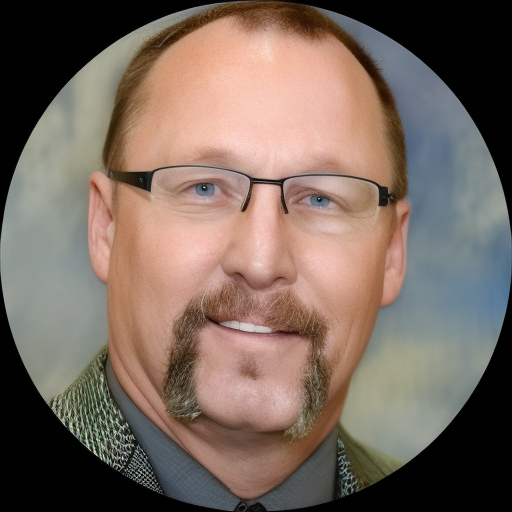
Part 1 of 4
- 25 years experience
- Practical goal focused
- English
About Donald
He uses clear, down-to-earth talk to help clients sort priorities and try new ways of coping. Sessions often focus on identifying manageable goals, practicing skills between meetings, and noticing small changes that add up over time. He supports people dealing with caregiver strain, chronic pain or illness, and questions about life purpose.
Donald has worked with veterans and addresses post-traumatic stress and traumatic brain injury in his practice. He also helps people facing process addictions such as problematic gambling, exercise, or pornography, and other substance-related struggles. His approach is collaborative and paced to each person's comfort level.
Clients can expect a steady, practical style that balances listening with action. Crowder aims to reduce overwhelm by breaking problems into smaller steps. He encourages people to notice their progress and adjust plans as needed.
He invites those ready to take a first step to reflect on what matters most and consider a simple plan for change. The initial stages focus on understanding current concerns and agreeing on clear next steps.
Part 2 of 4
Approaches that guide online work and practical benefits
Donald uses evidence-based therapeutic techniques aimed at clearer thinking and steady coping. One common approach focuses on building concrete skills to manage anxiety and stress, teaching breathing, grounding, and stepwise problem-solving that can reduce overwhelm and improve daily routines. Another approach targets addiction and trauma-related patterns by helping people recognize triggers, develop alternative responses, and plan safer choices in real situations.Finding the right approach is part of the process. The therapist works together with each person to pick methods that match their goals, strengths, and how they prefer to work. That collaborative planning includes checking progress and changing course when something isn’t helping.
If you are considering online sessions, please confirm the available formats before booking since the biography does not list specific options. In general, remote work can make it easier to fit therapy into a busy life by removing travel time, allowing shorter check-ins, and letting people meet from whatever place is quieter or more convenient that day. Online work can also help maintain momentum between appointments and make it simpler to practice new skills in everyday settings.
Part 3 of 4
Areas of expertise
Primary focus
Additional focus areas
Experience
25+ years
Credentials
Kansas
Languages
English
Part 4 of 4
Frequently asked questions
What kinds of concerns does this therapist help with?
He supports people dealing with stress, anxiety, addictions, relationship problems, trauma and abuse, ADHD, and traumatic brain injury among other concerns.
How would you describe his therapeutic style?
The style is practical and collaborative, with a focus on short-term goals, skill practice between sessions, and steady problem-solving.
What background does he bring to sessions?
He brings 25 years of professional experience and a history of working with people facing trauma, post-traumatic stress, veteran-related issues, chronic illness, and addiction concerns.
What credentials and region are listed for this therapist?
The clinician holds an LSCSW credential and practices in Kansas.
Which languages are supported and can international clients connect?
Sessions are offered in English and international clients are not currently accepted.
What session formats are available?
The original biography did not specify session formats; please confirm current session options before booking.
How does pricing work for sessions?
Cost varies with location and therapist availability, and sessions use a subscription that can be canceled at any time.
What are the first steps to begin working together?
Select the Start Therapy button, complete a short matching questionnaire, and schedule according to therapist availability.