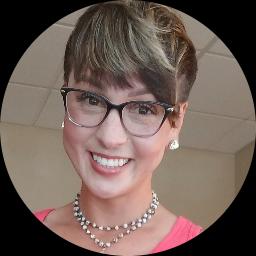
Part 1 of 4
- Trauma-informed approach
- ADHD support
- Substance use help
About Courtney
She has a background in foster care and adoption systems and has worked in behavioral health and substance use settings. That experience informs how she listens for patterns from past relationships and life events. She uses evidence-based therapeutic techniques to help people manage symptoms and build day-to-day coping skills.
Courtney emphasizes practical steps in sessions. She helps people set small goals, practice new ways of handling triggers, and strengthen routines that support recovery and mental health. Sessions are collaborative and tailored to the person’s needs and pace.
Her work also includes support around grief, caregiver stress, chronic illness and pain, communication problems, codependency, and relationship difficulties such as divorce and separation. She helps people facing attachment concerns, abandonment issues, and problems tied to adoption and foster care.
People who choose her often want clear strategies and steady support while they work toward change. To begin, a short matching questionnaire is completed and then scheduling is arranged according to therapist availability. Courtney uses a subscription model for sessions that can be canceled at any time.
Part 2 of 4
How evidence-based techniques translate to online care
Many of the evidence-based techniques Courtney uses focus on skill building and practical strategies. For example, approaches that help people identify thinking and behavior patterns teach clear steps to notice triggers and try different responses; these methods suit anxiety, depression, and ADHD-related struggles. Trauma-focused techniques emphasize safety and pacing, helping people process difficult memories gradually and build grounding skills to reduce distress.Finding the right approach is a collaborative process. The therapist works with each person to figure out which techniques match their goals, needs, and comfort level. That means trying strategies, checking how they feel, and adjusting the plan together over time.
The original biography does not list specific online session formats, so confirm current options before booking. In general, online sessions can make it easier to fit therapy into a busy life, remove travel time, or allow shorter check-ins between in-person visits. They also let people use tools worked through in session immediately in their daily environment, which can speed up skill practice and habit change.
Part 3 of 4
Areas of expertise
Primary focus
Additional focus areas
Experience
14+ years
Credentials
Maryland
Languages
English
Part 4 of 4
Frequently asked questions
What concerns does Courtney commonly help with?
She works with stress, anxiety, addictions, trauma and abuse, depression, and ADHD, plus related areas such as grief, caregiver strain, chronic illness, and relationship problems.
How would you describe her therapy style?
She focuses on practical steps and collaboration, helping people set small goals and practice skills to manage triggers and daily challenges.
What is her professional background?
She has 14 years of experience and a history working in foster care and adoption, behavioral health, and substance use services.
What credentials and region are listed?
She holds an LCSW-C credential in Maryland and practices in that state.
What languages are supported and are international clients accepted?
Sessions are offered in English and she is not accepting international clients.
Which session formats are available?
The original biography does not specify session formats, so confirm current session options before booking.
How are fees handled?
Cost varies with location and therapist availability; sessions use a subscription that can be canceled at any time.
How do I begin working with her?
Select the Start Therapy button, complete the short matching questionnaire, and then schedule according to therapist availability.