Part 1 of 4
- Practical skills
- Trauma support
- Goal oriented
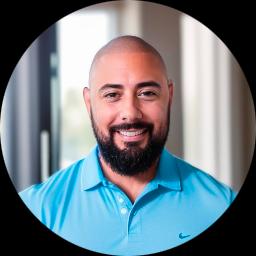
About Carlos
He uses practical, direct work in sessions. Conversations focus on identifying unhelpful thinking and building concrete skills for daily life. Carlos blends client-centered conversations with techniques from cognitive behavioral therapy and dialectical behavior therapy to help people manage emotions and reactions.
His background includes a decade of clinical experience and work with people affected by trauma and military-related issues. He draws on that experience when helping people process distressing memories and rebuild routines after disruption. Sessions aim to reduce symptoms that get in the way of functioning and relationships.
Carlos favors clear goals and collaborative plans. He helps people set short-term goals, learn coping strategies, and track progress between sessions. The approach is active rather than passive - expect homework and skill practice when appropriate.
He emphasizes respect, direct feedback, and steady pacing. If someone is ready to make changes and commit to work, Carlos will partner with them to create practical steps toward a more stable life.
Part 2 of 4
How Carlos applies focused therapies online
Client-centered therapy centers the conversation on each person's goals and preferences. It involves listening, reflecting, and shaping sessions around what matters to the individual so the work fits their life and priorities.Cognitive Behavioral Therapy, or CBT, looks at how thoughts and behaviors interact. Sessions break problems into small parts, test unhelpful thoughts, and practice new behaviors to reduce anxiety, depression, and trauma-related reactions.
Dialectical Behavior Therapy, DBT, teaches skills for emotion regulation, distress tolerance, and clearer communication. It is useful when strong emotions or repeated patterns get in the way of daily functioning.
Finding the right approach is part of the process. Carlos works collaboratively to decide which methods suit a person's needs and goals. He checks in regularly and adjusts the plan based on progress and feedback.
Session formats are not specified in the biography, so confirm the current options before booking. Online therapy can make it easier to fit sessions into a busy life, reduce travel time, allow shorter check-ins when needed, and help people connect with a therapist who understands trauma and veteran issues even if they live far from specialized clinics.
Part 3 of 4
Areas of expertise
Primary focus
Additional focus areas
Therapeutic approaches
Experience
10+ years
Credentials
New York
Languages
English
Part 4 of 4
Frequently asked questions
What concerns does he help with?
Carlos supports people with stress, anxiety, trauma and abuse, anger, and depression. He also focuses on issues like traumatic brain injury, post-traumatic stress, veteran and first responder concerns, isolation, and communication problems.
What is his therapeutic style?
He works in a direct, goal-focused way and asks clients to be active in the process. Sessions combine open conversation with concrete skill building and homework when useful.
How much clinical experience does he have?
He has 10 years of clinical experience working with trauma, military-related issues, and mood and anxiety concerns.
What credentials and location are listed?
He is a Licensed Clinical Social Worker, LCSW, licensed in New York and practices from New York.
Which languages are offered for sessions?
Sessions are offered in English.
Can international clients work with him?
International clients are not currently accepted.
How are sessions scheduled and paid for?
Cost varies with location and therapist availability; sessions use a subscription that can be canceled at any time.
How do I begin working with him?
Click the Start Therapy button, complete a short matching questionnaire, and schedule according to therapist availability.