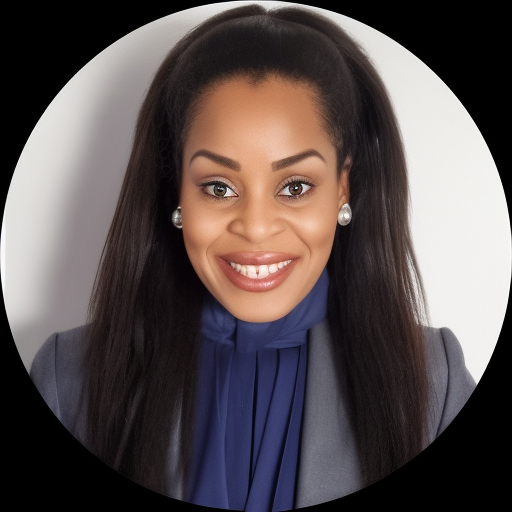
Part 1 of 4
- Stress and anxiety
- Trauma and mood
- Focus and memory
About Callas
She focuses on helping people talk through relationship strain, problems with communication, and the emotional fallout from divorce or separation. She also supports people facing isolation, panic, and social anxiety, and notes experience with veterans and men’s and women’s issues. Traumatic brain injury is listed among her additional focus areas.
Sessions emphasize an open, nonjudgmental space where thoughts and feelings can be named. She works with clients to identify practical steps that fit their daily life, such as strategies for managing panic, improving concentration, and coping with low mood. Conversations are direct and collaborative, with attention to what each person wants to change.
Her background includes over a decade of working with people across mood and anxiety concerns. She aims to empower clients to build skills and notice small improvements. The approach is patient and goal-oriented, letting the pace be set by the person in therapy.
People interested in starting can expect clear guidance on next steps and a focus on concrete, usable tools. Callas supports clients through practical problem solving and steady encouragement as they work toward a more manageable routine and clearer thinking.
Part 2 of 4
How evidence-based methods translate to online therapy
Many clinicians who list evidence-based therapeutic techniques use structured, proven methods to help with symptoms. One common approach focuses on teaching coping and relaxation skills to manage anxiety and panic - it breaks down anxiety into manageable steps and practices techniques you can use when stress spikes. Another frequent tool aims to improve attention and memory by building routines and practical strategies that help with concentration and daily tasks.Choosing the right method is part of the work together. The therapist will talk with each person about their goals, symptoms, and preferences, and then recommend approaches that fit those needs. This is a collaborative process where options are tried and adjusted based on what helps most.
Confirm the current session options before booking so you know which formats are offered. Online therapy can make it easier to fit sessions into a busy life, reduce travel time, and allow shorter check-ins when needed. It also permits working on practical strategies in real-world routines, letting skills be tested and adapted between meetings.
Part 3 of 4
Areas of expertise
Primary focus
Additional focus areas
Experience
11+ years
Credentials
Maryland
Languages
English
Part 4 of 4
Frequently asked questions
What concerns does this therapist help with?
She helps people with stress, anxiety, depression, trauma and abuse, and attention or memory difficulties. Additional focuses include relationship problems, communication, panic, social anxiety, and traumatic brain injury.
What is the therapist's approach in sessions?
Sessions aim to be direct and collaborative, providing an open, nonjudgmental space to name feelings and try practical steps. The focus is on skills and small, usable changes that fit daily life.
How much clinical experience does the therapist have?
She has 11 years of professional work experience supporting people with mood, anxiety, trauma, and attention-related concerns.
What are the therapist's credentials and location?
She holds the LCPC credential in Maryland and provides services from that state.
Which languages are supported for sessions?
Sessions are offered in English.
Can international clients work with this therapist?
International clients are not currently accepted.
How are sessions paid for and what do they cost?
Cost varies with location and therapist availability; sessions use a subscription that can be canceled at any time.
How do I begin working with this therapist?
Click the Start Therapy button, complete a short matching questionnaire, and schedule according to the therapist's availability.